

We Will Neither Forgive,
Nor Forget
A living record of pain, resistance, and the pursuit of justice
We are not here merely to introduce a book. We are here to tell a truth that others seek to conceal. This website is a home for resistance and remembrance: a place to document crimes, pursue justice, and defend freedom.
The Cry of the Voiceless
Remembering Those Killed in the Struggle for Freedom
We stand together and will be the voice of those who can no longer speak. This revolution is not only for women’s freedom, but for the rights of every human being.
Analysis: These opening words convey an unmistakable message: this revolution reaches beyond a political movement. It is the voice of a generation that demanded equality and human dignity and was answered with bullets. Remembering and recording the names of those killed is not merely an act of tribute; it is a historical obligation.
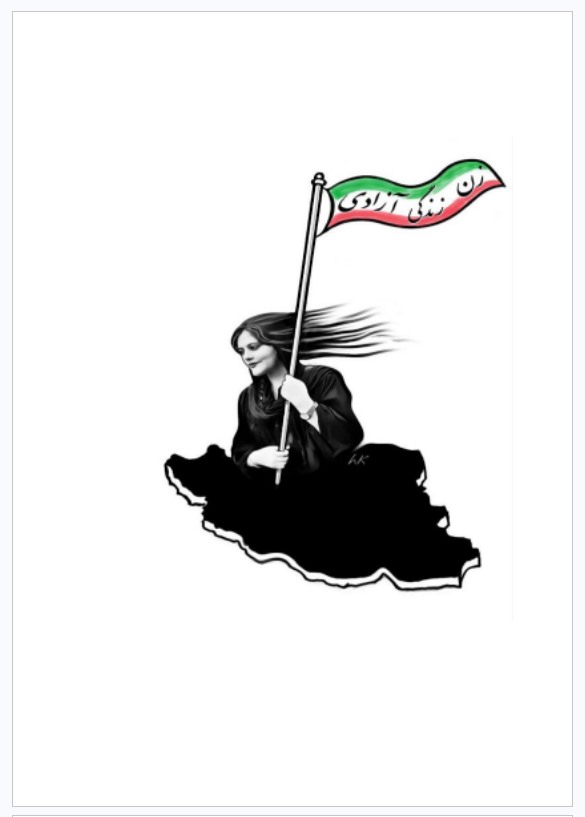
The 2022 Uprising: A Storm Born of Mahsa’s Blood
The past fifteen months show that protest movements are occurring closer together and with greater intensity. The people are more determined, while the Islamic Republic sinks ever deeper into crisis.
Analysis: The protests following the killing of Mahsa Amini were not merely an emotional reaction; they marked the beginning of a social revolution, an eruption of long-suppressed anger. This section examines the causes and social depth of the Woman, Life, Freedom movement and shows how a single spark can grow into a vast fire.
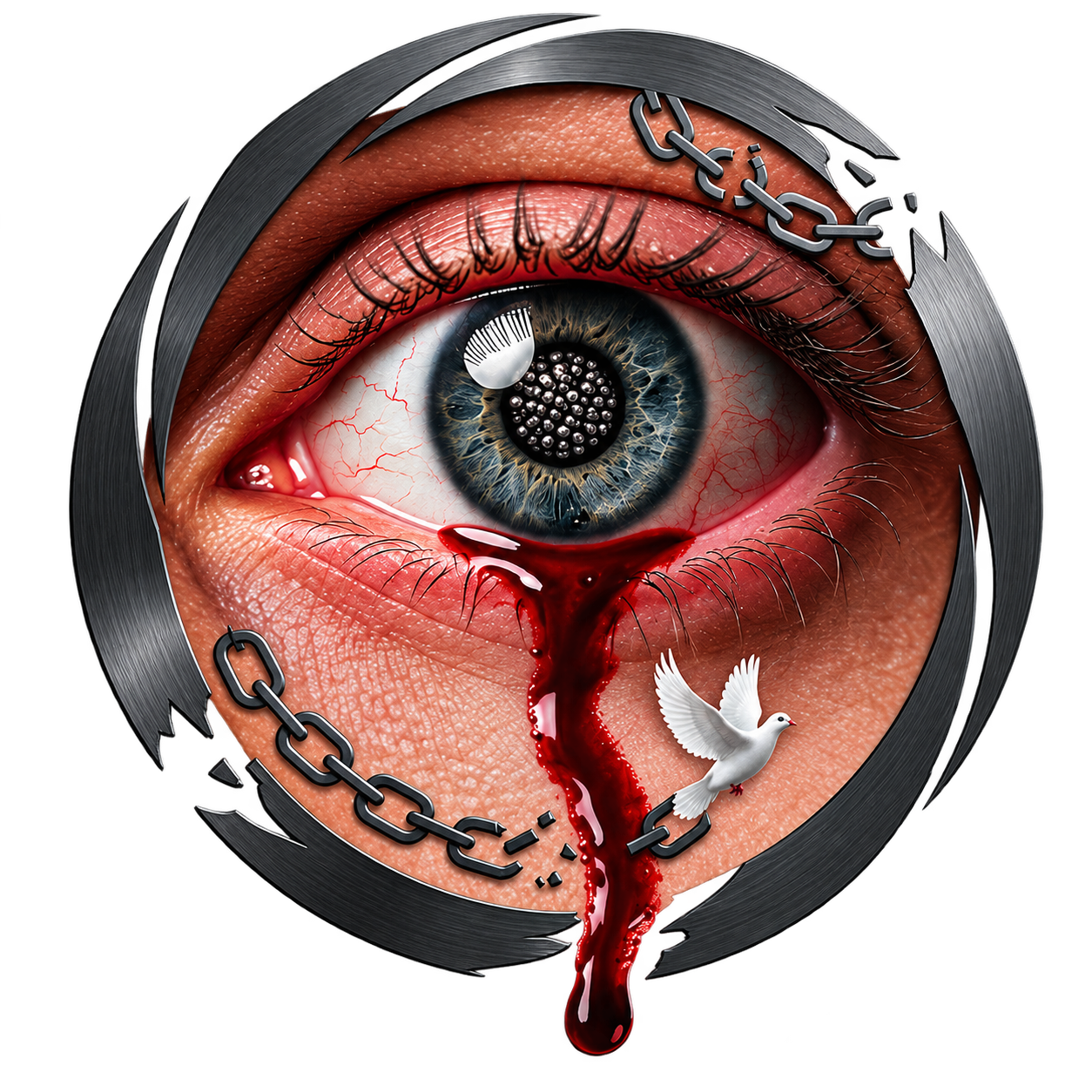
Victims of Pellet Gunfire
It was not only eyes that were blinded; the conscience of the world should have awakened. From a six-year-old girl to an elderly man, everyone was made a target.
Content: This section presents a detailed and harrowing record of people who were struck by pellet gunfire during the protests and lost their sight. It includes names, photographs, occupations, and the precise locations where the injuries occurred—irrefutable documentation of direct fire by the forces of repression.
Analysis: Attacking people’s eyes is symbolic of an assault on awareness itself. When a government fears the eyes of its people, it fears seeing, knowing, and truth. This is among the book’s most painful and thoroughly documented sections.
Prison, Torture, and Sexual Violence
From systematic rape in detention centers to sexual enslavement, women, adolescents, and men alike were subjected to these instruments of abuse.
Analysis: This section exposes one of the most brutal and disturbing realities concealed behind prison walls. Documented reports of sexual violence committed by state agents cannot be dismissed. Women, adolescents, and men have all been subjected to abuse. Silence about these crimes allows the violence to be reproduced.
The Ultimate Aim: Justice, Documentation, and Collective Memory
We strive not for revenge, but for justice and a future in which these crimes are never repeated.
Analysis: The book’s final section calls on all of us to take an active part. Recording names, gathering evidence, and preserving testimony are not solely the responsibilities of human-rights organizations; they are the human duty of every informed person.